Posts Tagged ‘agency’

Where Did Satan Come From?

Monday, October 17th, 2011

In the Book of John, we learn, “All things were made by him; and without him was not any thing made that was made.” (See John 1:3.)

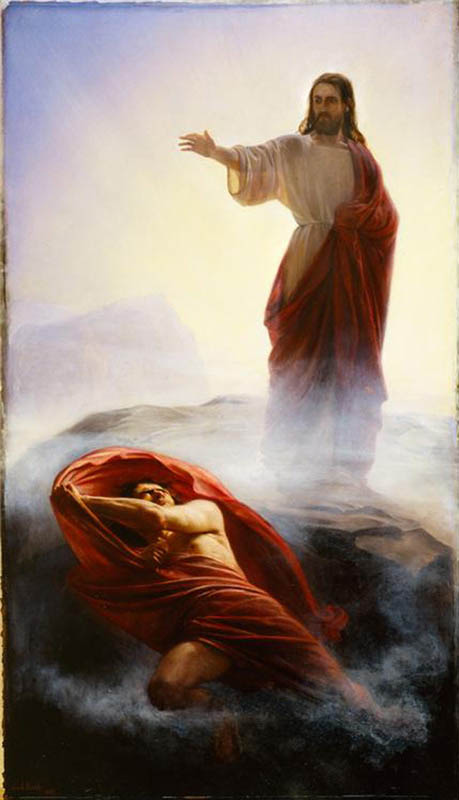
Jesus Christ ordered Satan to leave.It is clear, then, that anything that exists was created by God, and so God made Satan. However, he wasn’t Satan at his creation and he was not created evil. The prophet Isaiah helps us to understand what turned Lucifer into Satan and demonstrates that he is not the being God created him to be: “How art thou fallen from heaven, O Lucifer, son of the morning! how art thou cut down to the ground, which didst weaken the nations!” (See Isaiah 14:12.)

In other words, Satan, as created, was not evil. God does not create anything that is evil. The creation accounts in Genesis consistently remind us that everything God creates is good. How did Satan go from being a good creation of God to being the source of evil?

The Church of Jesus Christ of Latter-day Saints, whose members are sometimes called Mormons, teach that agency was an essential part of God’s plan for us. From the very beginning, God gave us the right to choose for ourselves. Although He made rules for Adam and Eve in the Garden of Eden concerning the tree, he did not lock it up where they could not get to it. In fact, he put it right in the center of the Garden, where they would see it often. They were free to choose to eat from it, and they did.

Agency explains how Lucifer became Satan. Mormons believe that God first created our spirits and allowed us to live with Him in Heaven prior to the creation of the Earth. This makes Him very literally our Father, and it also means we began to develop our characters and personalities prior to birth. We did not have bodies, but we did have personalities, and the ability to choose whom to become. Some worked hard to become as much like God as possible. Some did not. Some were power-hungry, even then, and it appears Lucifer was one of these. The events that would occur demonstrate he was popular among a certain type of spirit and that he used that popularity and his agency to cause others to make poor choices, even then.

Mormon beliefs talk of a great meeting held in Heaven in which we were told of the plan to create an earth for us. We would all, in our turn, go there to live for a while. We’d gain a body, come to earth through a family, and have agency. We would not remember our time in Heaven, but we would be given the ability to feel God’s presence and counsel to us if we listened and were anxious to do the right thing. Through what would be known as the Spirit of Christ, we would be able to discern truth from lies if we chose to do so. The Holy Ghost would be available to help us on Earth. With this help, we would be expected to search out the truth and then commit to live it.

Of course, we wouldn’t be perfect, and the Law required perfection in order to return home. To this end, God would provide a Savior who would come to earth through a mortal mother, with God as His father, and live a sinless life. He would then make a voluntary sacrifice on our behalf, known as the atonement. This would allow us to overcome death and to repent. It would make it possible to overcome the demands of the law through mercy. Jesus Christ volunteered for this calling, saying he wanted all the honor and glory to go to God.

Lucifer, however, did not like God’s plan. He used his influence to try to convince us to replace God and Jesus Christ with him. Lucifer said he would take control of our lives on earth, controlling every movement and thought so we could not possibly sin. In that way, no atonement would be necessary (relieving him of the need to suffer on anyone’s behalf) and we’d all come home safely. In exchange, however, he wanted us to let him take God’s place and receive all the honor and glory.

Lucifer’s plan was a selfish one, designed to win him a position of power and authority without undue sacrifice. This was a sharp contrast to Jesus’ proposal, which asked nothing for himself. However, perhaps because Lucifer was popular, or perhaps because his plan seemed to offer security and an easy route to success, one-third of God’s children chose Lucifer as their leader, rejecting both God and Jesus Christ.

They were not allowed to come to earth as a consequence. They will never receive bodies or families, and because they rejected the atonement before they even came to earth, they are not allowed to benefit from it. They were cast out of heaven for their efforts to overthrow God and His plan. All the remainder of the spirits in Heaven began to prepare for mortality.

However, Lucifer’s work was not done. He became Satan and he was angry at being cast out of Heaven. He was also miserable, having been denied what even he knew was a wonderful opportunity—even though he made the choices that led to it. He was determined to make every who had refused to follow him miserable.

His role in our lives today is to try to get us to reject the great plan of salvation we once embraced, to disobey God’s commandments, even to choose not to believe in God or Jesus Christ. He is determined to undermine God’s work.

Although Satan is allowed to try to make us sin and reject the opportunity to return home to God’s presence, there are some things he cannot do. He cannot force anyone to sin: he can only encourage sin. He cannot prevent anyone from knowing the truth who is determined to know it: he can only try to keep us from wanting to know. Satan cannot remain if we tell him to leave. In the New Testament, we can look to the example of Jesus Christ to know how to handle Satan’s temptations and lies. When Satan tried to tempt Jesus, Jesus simply refused to pay any attention to him and ordered him to leave.

Satan then, began life as we all did, as a child of God. He used his God-given agency to reject God and the gospel and chose instead to live a selfish life harming others. While he is temporarily allowed to try to carry out his revengeful goals, we are under no obligation to give him power over us.

Obedience to Laws Brings Freedom

Friday, August 28th, 2009

The Mormons are sometimes seen as having a great many restrictive rules. Mormons themselves know that within the rules are many opportunities for freedom, and that these rules actually make them freer than those with no rules.

An often-used example of freedom within structure is the sonnet. A sonnet is a poem with very strict rules.

Shakespeare’s sonnets each contained fourteen lines. Every line had ten syllables written in iambic pentameter. Despite this very strict structure, Shakespeare managed to come up with 154 sonnets, all different, and many other people have also created sonnets based on this formula. The structure does not prevent people from being creative and writing something close to their heart. Rather, it actually frees the author. By having the structure in place, the poet is free to focus all his attention on the message and wording of the poem, which, after all, is the point of a poem. (more…)

Does Religion Take Away Your Agency?

Tuesday, March 17th, 2009

This is a common misconception about religion. Mormons teach that each person is given agency to choose for himself how to live. Mormon beliefs begin the story of life prior to birth, when God created each of us as a spirit. We lived with Him, learning, developing our character and personality, and practicing making choices, until the time came to come to earth. At that time, we were, as always, given our agency. We could choose to come to earth with Jesus as our Savior. If we made this choice, we would continue to have agency and some would use it unwisely and be unable to return. God would send a Savior to do that part we couldn’t do for ourselves. This Savior, Jesus Christ, would take on the sins of the world and die for them.

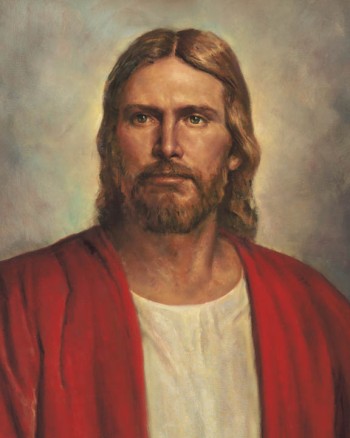
Jesus Christ MormonThe other choice was to follow Lucifer. Lucifer wanted to take away our agency and send us to earth as puppets, with himself as the puppet master. He would control our every thought and action, and we’d live perfect lives, but for no purpose. Some were uncomfortable with the idea of continued agency, and rejected it. They preferred to stay with Satan and allow him to do their thinking for them. Those who followed Lucifer elected to give up their agency and were denied a chance to come to earth. They could not live here without agency.

The Mormon religion allows us to maintain control over our lives. Mormons teach that each person is required to find out for himself if the Mormon religion is true. While a very young child might believe simply because his parents believe, the child is taught, before he is eight years old, to begin deciding for himself. At age eight, he can be baptized, and before this happens, he is to learn his religion and to pray to know if it’s true.

This process is often repeated several times, as the child grows up and gains a stronger ability to recognize the promptings of faith. The pattern was set for us by Joseph Smith, the first Mormon prophet of modern times. He wanted to know which church to join, and after reading in the Bible that God would tell him, he went into the woods to ask God. Both God and Jesus Christ came to him to answer His question.

Most of us won’t get that type of answer, but we can receive an answer to our prayers, just as Joseph Smith did.

Does joining a church force you to give up your right to think for yourself? Of course not. Because each member of the church is taught to find out for themselves if the church is true, they are making an informed decision. Even after making this overall choice, if they learn something they’re not sure about, they can pray about that specific doctrine as well.

If your mother taught you not to touch a hot stove, and you obey, have you given up your right to think for yourself? No, because you are still free to touch the stove, as long as you’re willing to accept the consequences. You’re simply choosing to do what you know is best for you. Mormons, and other who believe in God, are doing the same.

One example often given is that of the sonnet. The sonnet is a poem with a very strict structure. Within the strict structure, however, a great deal of originality is possible. There are millions of sonnets, all following the rules, but all unique.

Believing in God is comforting. It’s a safe and healthy comfort, unlike the artificial comfort brought about by alcohol, drugs, or other immoralities many people turn to when they are stressed or worried. People who believe in God know there is someone who loves them and knows them, who always has their best interests at heart, and who, while not taking away our personal agency, will help us if we ask for help.

A true religion asks a great deal of its members. The Mormon religion isn’t a passive one. Because it’s a lay church, each member works hard to help it function, serving as leaders, teachers, and givers of service. They are held to a high standard of behavior.

Giving up your right to think for yourself is seemingly easy (although in reality it isn’t.) People looking for an easy way through life aren’t interested in being Mormon. The moral standards are very high and, since Mormons live in the everyday world, not in a sheltered community, this means making sacrifices and fighting those who want them to lower their standards. They raise families, have jobs, do volunteer work, and are also taught to make the most of the talents they have been given. They must figure out how to do this on their own, given their unique circumstances.

Religion never promises to be easy. The Mormons expect people to work hard for their own happiness and well-being, using the gospel as a guideline, but making choices within those guidelines.

Why does God allow suffering?

Monday, June 30th, 2008

Personal Response by Jack Rushton

I believe this is a very profound question that has undoubtedly been asked by millions of people from the beginning of time. Life can seem unfair at times as we experience our own personal suffering, and witness through our own eyes or through the media, the incredible suffering that seems to be such an integral part of the daily lives of people all over the world.

I had to come to grips with this question on a personal level when 19 years ago I broke my neck, severed my spinal cord, and became paralyzed from the neck down and ventilator dependent. (more…)