
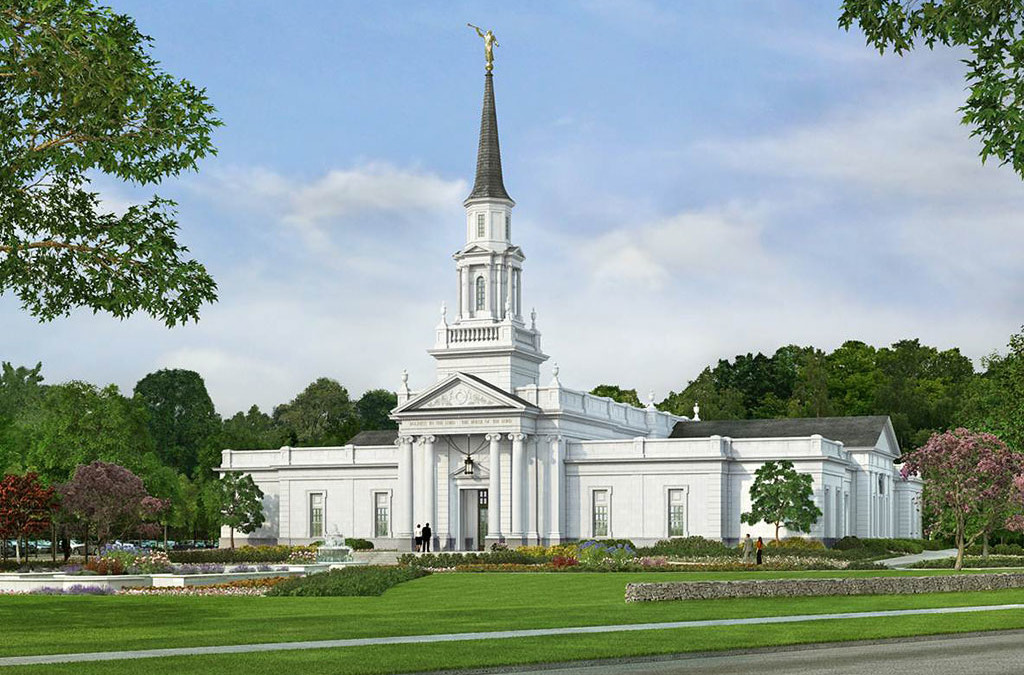
Mormon Temples

mormonMormons attend weekly services in chapels that are open to the public. However, they also have another type of building called a temple. Temples are not open to the general public and aren’t used for Sunday worship. There is a great deal of confusion in the world about these temples, but the explanation is really quite simple.

The temple is literally God’s home, and is a place of learning, as well as a place to make covenants with God. A covenant is a two-way promise between God and man. God sets the terms of the covenants, which are not negotiable, but if we keep our part of it, God is required to keep His part as well.

To attend the temple, a person must be a member of the Church of Jesus Christ of Latter-day Saints (a Mormon, as they’re sometimes known) in good standing. He or she must have been a member of the church for at least one year, be an adult, and be living at a specific level of worthiness.

To understand why this is so, picture yourself choosing a course of study at a university. You don’t begin with the most advanced class. You start in the beginner’s class, and work your way up. Those who planned the program know you need a foundation in the basics before you can manage the advanced courses. The temple operates this way. In Sunday services, members receive the basic principles of the gospel. In the temple, they receive this information in more detail, and they need an understanding of the basics before they can comprehend the advanced course. Just as we read the Bible again and again in order to gain new understandings as our knowledge and faith grow, members attend the temple again and again for the same reasons.

Members of the church make covenants with God. Their first covenant is made at baptism, when they promise to take upon themselves the name of the Savior, representing Him well and keeping His commandments. In the temple, members make additional covenants, with serious consequences for disobeying them. Because God sets high standards for those who attend the temple, and because He warns of serious consequences for violated those covenants and standards, members must be knowledgeable about the standards of the church, and ready to make and keep sacred covenants. These covenants include a willingness to care for our families and live a moral life. Everything in the temple focuses on the Savior.

Mormon Temple MarriageCertain ordinances can only be done in the temple. For instance, members who are worthy can be married there. This marriage differs from marriages done elsewhere because they don’t end at death. Mormon marriages are eternal. We know God considers families to be a sacred creation. He began earth life with a family-Adam and Eve– and commands us to make our families a top priority and to resist divorce. Because God does not believe in divorce, He never planned to command a divorce for any of us. Marriage is sacred and of God, and Heaven is where we will be happier than we’ve ever been before. Who can be happy without those they love most? Could you be forced to divorce the spouse and children you love and continue on happily? Would a loving God rob you of your family? Of course not. And so, He planned a way for us to be allowed to keep them for eternity, if we love them enough to do what’s needed to keep them with us forever. This includes being married in the temple by someone who has the authority to authorize an eternal marriage, and then to live worthily to keep the blessing given.

Another ordinance is that of baptism for the dead. The scriptures teach that everyone must be baptized by one in authority. However, not everyone had the opportunity to receive that blessing while they lived on earth. In the temple, worthy members ages twelve and older (the one ordinance a teenager can perform) may be baptized in proxy for one who has died. This does not make the person the member was baptized for a Mormon. It only offers him the opportunity to become one if he chooses. If he rejects the baptism, it is as if it never happened. The names are not recorded as being members of the church. The records only show they were given the opportunity. One non-member told his daughter that if it isn’t true, God won’t be paying any attention to the baptism anyway, and if it is true, he would be glad it was done, so he figured he had nothing to lose by giving his LDS (Mormon) daughter permission to do the work after his death. Agency is a critical part of God’s plan and is honored even after death. The person who was baptized in proxy must use his agency to decide whether or not to accept the ordinance.

The temple is a special place to learn more about the Savior and to intensify a person’s commitment to live a Christian life.

You can leave a response, or trackback from your own site.

Leave a Reply